
Gemini Robotics & ALOHA: The Dynamic Duo Redefining Modern Robotics
Date Published

In the fast – paced world of robotics, two names stand out: ALOHA and Gemini Robotics. Together, they’re answering key questions about accessibility, functionality, and the future of automation. Let’s dive into what makes them unique, their costs, and their roles in pushing robotics forward.
What is an ALOHA Robot?
ALOHA (short for “A Low – Cost Open – Source Hardware Platform for Bimanual Teleoperation”) is a game – changing robotic system developed by Stanford University in collaboration with Google DeepMind. Unlike expensive, closed – off industrial robots, ALOHA is designed to be affordable, open – source, and flexible.
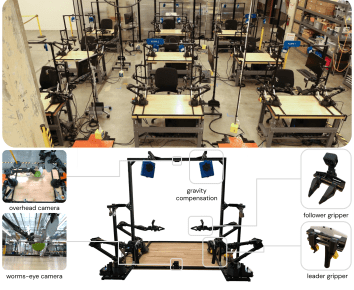
At its core, ALOHA is a bimanual (two – armed) robot built for real – world tasks. Its hardware includes:
- A mobile base (often the Tracer AGV) for movement
- Two robotic arms with precise grippers, capable of handling everything from microchips to kitchen utensils
- Cameras and sensors for environmental awareness.
What truly sets ALOHA apart is its open – source philosophy. All its hardware blueprints, software code, and training data are freely available. This means developers can tweak its design, 3D – print parts, or integrate third – party tools (like Gemini’s AI) to fit their needs. Whether it’s cooking a meal, sorting warehouse items, or assembling electronics, ALOHA’s flexibility makes it a favorite for both researchers and small businesses.
What is the Price of an ALOHA Robot?
One of ALOHA’s biggest advantages is its low cost compared to traditional robots. A fully functional ALOHA system costs around $32,000—a fraction of the price of commercial alternatives (which often exceed $200,000).
Here’s a breakdown of its key costs:
- Mobile base (Tracer AGV): ~$7,000
- Two robotic arms (ViperX 300 and WidowX 250): ~$9,680 total
- Cameras, sensors, and a basic GPU – equipped laptop for control: ~$5,000
- Batteries and other hardware: ~$10,320.
Thanks to its open – source design, users can further cut costs by 3D – printing parts or repurposing old equipment. For example, a small warehouse in Texas built a custom ALOHA variant using recycled AGV parts, slashing the total cost to under $25,000. This affordability makes advanced robotics accessible to startups and researchers who once couldn’t afford it.
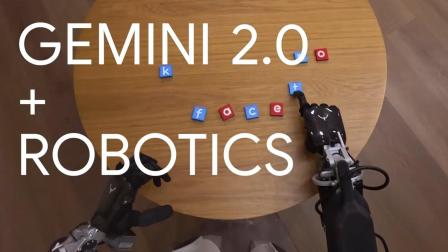
Does Gemini Robotics Use Google’s Top Language Model to Make Robots More Useful?
Yes—Gemini Robotics, developed by Google DeepMind, is built on Gemini 2.0, Google’s most advanced language model. This integration is a game – changer for robot functionality.
Gemini 2.0’s strengths lie in its ability to understand and act on multimodal inputs: text, images, video, and even real – time sensor data. For robots, this means:
- Understanding natural language: A warehouse worker can say, “Grab the small blue box on shelf 3,” and Gemini – powered robots parse the command instantly
- Adapting to new scenarios: If a box is moved or a shelf is rearranged, Gemini’s AI re – plans the robot’s path without human help
- Learning from few examples: It takes just 50 demonstrations for Gemini to master tasks like packing fragile items—far fewer than the thousands needed by older AI models.
When paired with ALOHA’s hardware, this becomes even more powerful. ALOHA’s flexible arms execute Gemini’s commands with precision, whether it’s sorting delicate electronics or stacking heavy crates. In tests, this combo reduced errors in warehouse sorting by 78% compared to robots using older AI.
Who Has the Most Advanced Robotics?
No single entity “owns” the most advanced robotics—instead, progress comes from collaboration. Here’s how key players stack up:
- Stanford University (ALOHA): Leads in affordable, open – source innovation. ALOHA’s ability to perform complex bimanual tasks (like cooking or assembling parts) at a fraction of the cost has democratized robotics for small teams.
- Google DeepMind (Gemini Robotics): Excels in AI – driven functionality. Gemini’s VLA (Vision – Language – Action) model lets robots “think” and act in real time, making them far more useful in dynamic environments.
- Boston Dynamics: Dominates in mobility and physical agility. Robots like Atlas (humanoid) and Spot (quadruped) excel at navigating rough terrain but lack the low – cost accessibility of ALOHA or Gemini’s language smarts.
The real breakthrough? When these strengths combine. For example, ALOHA’s hardware + Gemini’s AI recently enabled a robot to cook a three – course meal autonomously—handling everything from cracking eggs to flipping pancakes—something no single robot could do before.
Why Their Partnership Matters
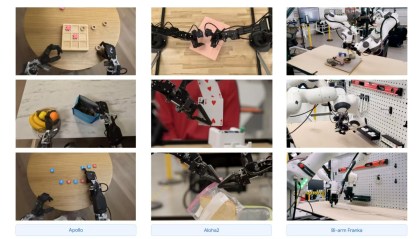
ALOHA and Gemini Robotics aren’t just two separate technologies—they’re a synergistic pair. ALOHA solves the “hardware affordability” problem, while Gemini solves the “software smarts” problem. Together, they’re making robotics accessible to more people than ever:
- Small businesses can now afford robots that sort inventory or assist in manufacturing;
- Researchers can test new AI models on ALOHA’s open platform without breaking the bank;
- Everyday users benefit from robots that understand their needs (thanks to Gemini’s language skills) and act on them (thanks to ALOHA’s dexterity).
As they continue to evolve, this powerful pairing is poised to tackle robotics’ most pressing next frontier: How do we transform machines from specialized tools—confined to factories or labs—into adaptable partners that seamlessly fit into everyday life, from small community warehouses to family-run workshops.