
How Autonomous Forklifts Support Cruciform Pallets
Date Published

As smart warehousing and automated logistics systems become mainstream, autonomous forklifts—also known as AGVs (Automated Guided Vehicles)—play a critical role in efficient goods handling. However, not all pallets are equally AGV-friendly.
One major challenge is the cruciform pallet, known for its full-perimeter base that requires high-precision fork alignment and intelligent detection systems. In this article, we explore how autonomous forklifts can successfully support cruciform pallets and what technology makes it possible.
What Is a Cruciform Pallet?
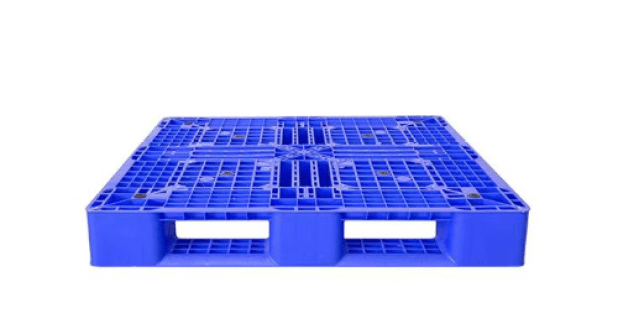
A cruciform pallet, also called a full-perimeter base pallet, has a bottom structure that resembles a grid or the Chinese “田” character. These pallets are:
-
Strong and durable, ideal for heavy loads
-
Accessible from four sides, improving handling flexibility
-
Widely used in racking systems and automated storage
However, their design creates narrow and enclosed fork entry spaces, making them harder to handle with traditional AGVs.
Key Challenges When Using Cruciform Pallets with AGVs
1. Limited Fork Entry Space
The enclosed structure reduces the margin for error. Forks must align precisely to avoid collision or missed insertion.
2. Complex Pallet Recognition
Cruciform pallets may not have clearly visible fork slots. AGVs need advanced vision or sensor systems to identify the exact entry points.
3. Stability During Lifting and Stacking
Many cruciform pallets are stacked high. AGVs must maintain exact fork tilt and lift height to ensure stable stacking.
Technologies That Enable AGV Compatibility
Smart Fork Design
-
Narrow or tapered forks to fit smaller entry slots
-
Adjustable fork width for multi-pallet compatibility
-
Height sensors for precise lifting
Vision and Detection Systems
-
3D cameras or LiDAR detect pallet contours
-
Edge detection algorithms help align forks accurately
-
Works even in low-light warehouse environments
Pallet Type Recognition
AGVs with AI-based pallet detection can recognize cruciform pallets and automatically adjust operation modes—reducing error and improving safety.
WMS/WCS Integration
Linking AGVs to warehouse management systems (WMS) allows them to receive real-time instructions, such as:
-
Pallet type and position
-
Optimal path for approach
-
Safe stacking height
Common Use Cases for Cruciform Pallets + AGVs
| Application | Recommended AGV Type | Cruciform Compatible |
|---|---|---|
| High-bay rack storage | Reach-type AGV forklift | ✅ |
| Factory floor transport | Underride AMR | ✅ (with narrow forks) |
| Outdoor logistics zones | Vision-guided AGV | ✅ (sensor upgrade) |
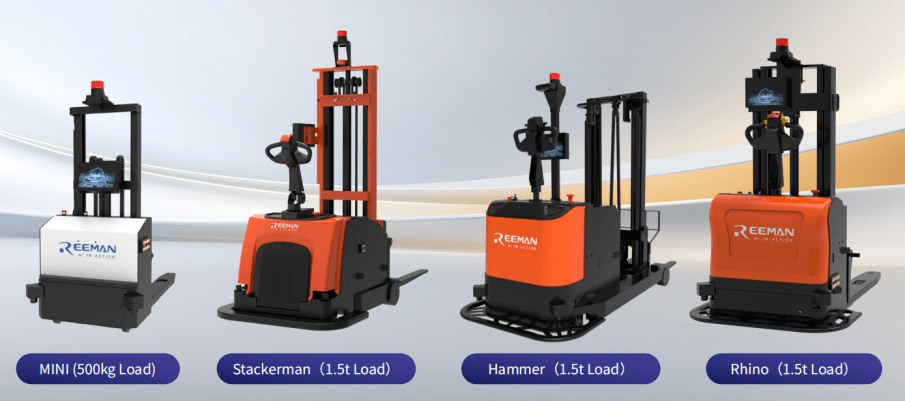
Choosing the Right Autonomous Forklift
When evaluating AGVs for cruciform pallets, ask:
-
Can the forks be customized for narrow entry slots?
-
Does it have AI vision or 3D recognition?
-
Is it compatible with your existing WMS?
-
Can it handle stacking tasks reliably?
Working with a vendor that understands both pallet types and automation tech is key to long-term success.
Conclusion
Cruciform pallets are strong, reliable, and widely used—but their unique structure demands more from automation systems. With smart fork design, advanced detection, and tight WMS integration, autonomous forklifts can fully support cruciform pallets in today’s intelligent warehouses.
Looking to automate your warehouse with cruciform pallet handling? Contact us today to explore the best-fit AGV solutions for your operation.