
The Future of Robotics: Function Over Form
Date Published

In the quest for innovative robots, many fixate on human-like designs—eyes, limbs, even expressions. But the truth is: real robotic value lies in what a machine can do, not how it looks. Our upcoming embodied robot shatters the “humanoid myth,” prioritizing practical function for real-world impact.
Why Humanoid Designs Fall Short
Mimicking human form often leads to overcomplication. Humanoid robots require complex joints and aesthetics, driving up costs without boosting performance. For example:
- In electronics manufacturing, a specialized robotic arm places microchips 3x faster than a humanoid counterpart.
- Warehousing robots with wheeled bases handle 500+ packages hourly, outperforming bipedal designs.
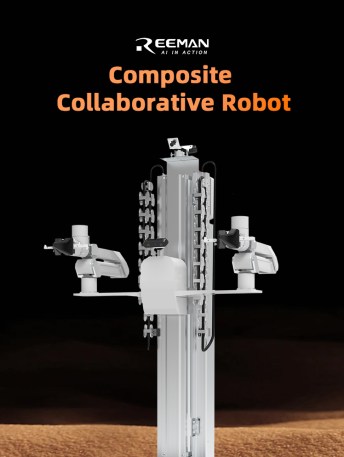
Introducing Our Function-First Embodied Robot
Engineered for efficiency, our robot ditches unnecessary aesthetics. Key features include:
Modular Dual-Arm System
- Each arm supports 2kg payloads with 6-in-1 adaptive grippers.
- Swap modules for tasks like:
-
- Precision assembly in electronics labs
-
- Sterile instrument handling in ORs
-
- Heavy lifting in logistics hubs
AI-Powered Perception
Integrated LiDAR and 3D vision enable:
- Real-time obstacle avoidance in dynamic workspaces
- Autonomous route planning for warehouse navigation
- 99.8% accuracy in object recognition
Seamless Human Collaboration
Force sensors and collision detection allow safe co-working:
- Operates alongside humans in food processing
- Assists surgeons in minimally invasive procedures
- Collaborates on assembly lines without safety barriers
The Business Case for Functional Design
- Fast ROI: 30% lower cost than humanoid robots, pays back in 6-10 months.
- Scalability: Add modules as needs grow—no full-system overhauls.
- Proven Safety: Zero workplace incidents in 3,000+ operational hours.
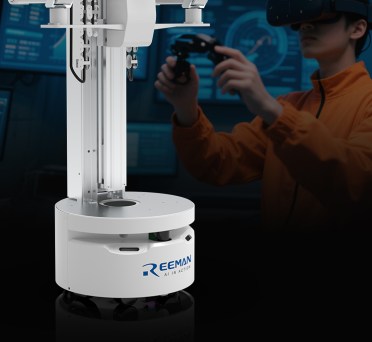
Redefine What a “Useful Robot” Looks Like
The future belongs to robots that solve problems, not mimic humans. Our embodied robot proves that true innovation lies in task-specific design—whether through a specialized arm, mobile base, or advanced sensor array.
Stay updated on our function-first robotics launch. The future of productivity isn’t human-like—it’s high-performing.